Project Goals & Objectives
Reduce post-harvest tomato losses among small-scale farmers.
Educate and train farmers using a structured train-the-trainer model.
Empower farmers through apprenticeships and skills such as crate production.
Introduce smart farming methods and increase yearly tomato planting cycles.
Promote sustainability by reinvesting profits and using locally sourced materials for crates.
Create clusters of trained farmers who can replicate the knowledge within their communities.
“In a world older and more complete than ours they move finished and complete, gifted with extensions of the senses we have lost or never attained, living by voices we shall never hear.”
— Olivia Rhye, Product Designer
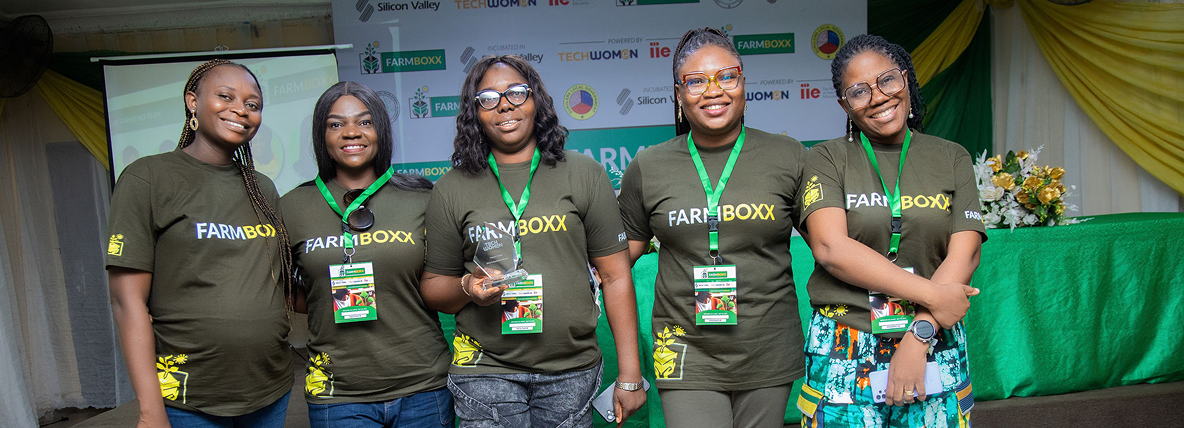
We conceptualized Farm Boxx as a response to the pressing issues of food security and insecurity in Nigeria. Our project focuses on empowering women to grow their own food at home, providing them with the resources and skills needed to sustainably cultivate vegetables. By doing so, the project aims to eliminate the need for women to venture into unsafe farmlands and promote community development. With the support of our mentors, Rekha Pai and Kristy Bonham, we refined our idea and developed a comprehensive plan to begin our impact by empowering 50 women in Surulere Local Government Area of Lagos State. After pitching our idea at the Social Impact Pitch Contest held at the Amazon Web Services Office in East Palo Alto, California, we were awarded a $3,000 grant to execute our project.
Conclusion, Summary of Achievements
Conducted a survey identifying food insecurity and tomato post-harvest loss as major challenges.
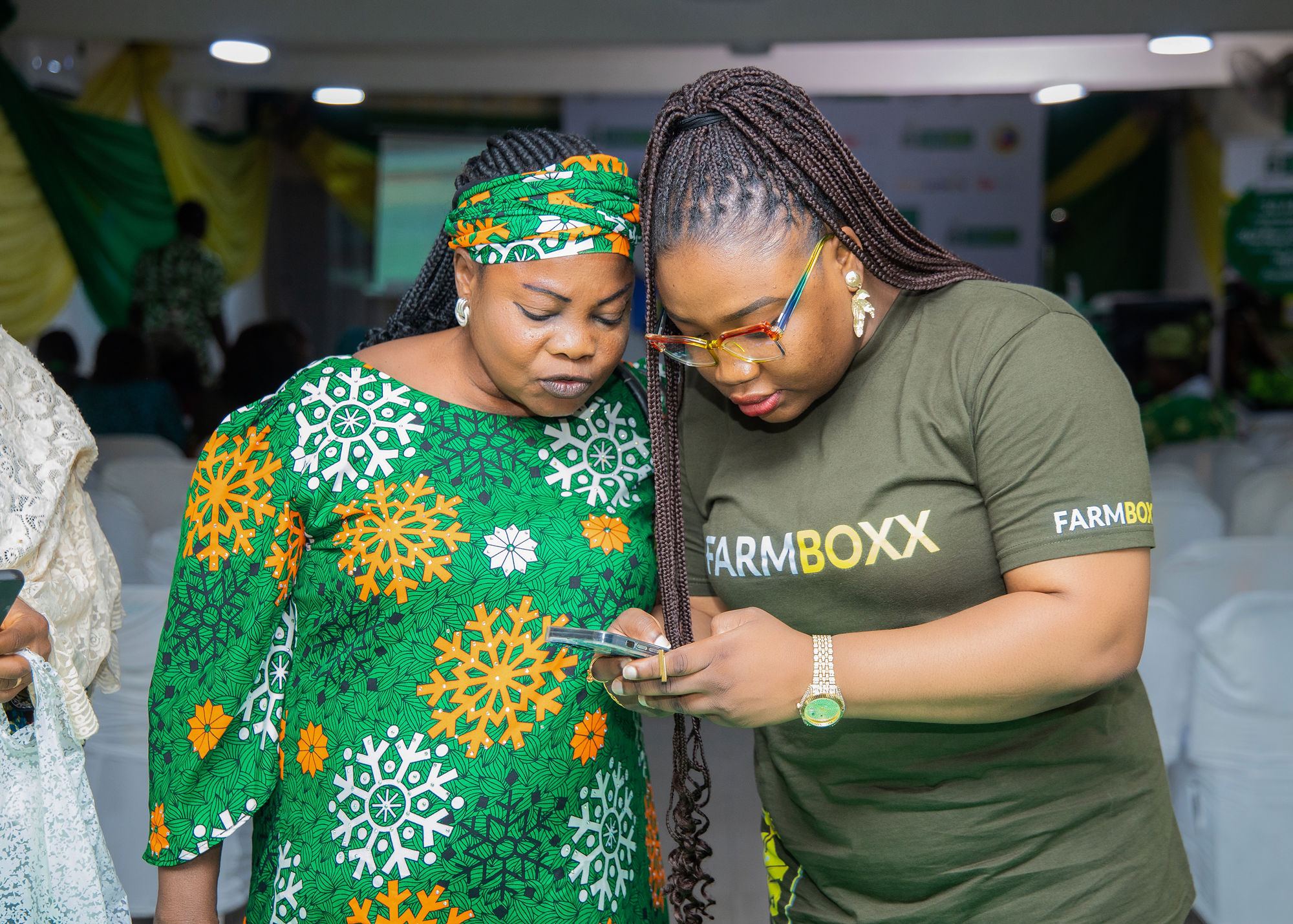
Selected 5 leader farmers and created plans for 100 farmers grouped in clusters of 20 for the pilot implementation.
Published a paper: Harnessing technology for agricultural transformation: A design thinking approach to alleviate Nigeria’s food crisis
https://nasjournal.org.ng/site/index.php/pnas/article/download/602/315